My Strategy For Healing Autoimmune Diseases (Hashimoto’s & Psoriatic Arthritis)
I have lived with autoimmune diseases since 20 years old, and it has been hard. I’m in my early 30s, and I’ve been through some highs and lows. I was able to be almost symptom-free without massive flares for many years after being diagnosed by adhering to a strict paleo diet.
I learnt a lot about my body during this time, and I understood that the following foods would cause my illness to flare:
- Nightshade vegetables (tomatoes, potatoes, eggplants, and red peppers)
- Dairy
- Wheat & Gluten
- Sodas
For the most part, I was able to live without them because I had a good support system that followed the same diet. We found alternatives that satisfied our cravings, we cooked at home, and we made an effort to stay active.
While things were dandy for a few years, temptation and problems sabotaged my lifestyle. Rather than being in a stress-free environment, I was constantly exposed to stress. Similarly, my diet was no longer healthy or paleolithic. Instead, I comforted myself with junk food and triggers until I flared up uncontrollably.
I don’t want to speak on the topic of a certain jab and booster jab, but to be honest, soon after, I had the worst flare-up of my life that not only damaged some of my joints but also caused me a cascade of health issues.
It was so bad that I was unable to walk anymore without being in excruciating pain. On one particular day, I slept for 24 hours straight. Thankfully, my sister intervened and possibly saved my life because it felt like I was slipping away.
I went on methotrexate, and it certainly helped, but not without side effects. At that point, I was willing to tolerate the side effects because it helped to reduce my inflammation markers significantly, albeit over months.
Even then, the only time methotrexate truly took effect was when I avoided all my trigger foods completely.
Clearly, my body was in a bad state because some people can eat freely when the medications work. That was not the case for me, and it really scared me.
Before I continue, I want to provide a disclaimer that I am not providing medical advice, and this is just my personal experience. You should always consult with your doctor/rheumatologist/endocrinologist about your health.
Recently, I visited a new rheumatologist, and she advised that we try some new drugs. There’s a long-standing issue with medical aid/insurance companies that don’t want to pay for certain medications that help with these conditions because of the price.
I won’t get into that because at this point, my interest doesn’t lie in conventional methods of treatment alone.
I am interested in being somewhat of a test subject for different strategies and protocols that could heal these autoimmune conditions with minimal drugs.
Ultimately, my goal is to see if I can be in a symptom-free state without drugs for an extended period of time. Not just a few months but a few years. The reason why I say years is because I don’t want to have a few months of good health only for a flare-up that destroys my joints or leaves me worse off than if I were on a maintenance dose of medication.
The Anti-Inflammatory Protocol I Will Test
From my assessment of everything related to autoimmune disease, basic longevity advice, and healthy lifestyles from different cultures, improvement or optimization of the following areas can result in a positive outcome for my conditions:
- Sleep
- Diet
- Movement
- Sunlight
- Supplements
- Spirituality
- Mindset
In other words, it’s an entire lifestyle change that requires a focus on the elimination of as much inflammatory stimuli or stress (oxidative and others) with as much nourishment consisting of daily and consistent doses of antioxidants, vitamins, prebiotics, and probiotics, some fibre, and healthy fats.
Let’s go through ways in which I plan to test strategies for optimizing each area of health.
Sleep
I’m a night owl and for many years, slept well after midnight. But I have observed a direct correlation between late-night sleep and inflammation in my body. Even if I can sleep for a full 8 hours, the time at which I sleep directly affects my autoimmune diseases.
I think the reason for this boils down to cortisol. It is said that after a certain time, the body releases cortisol to help keep you awake during those late hours. Cortisol is the stress hormone, and it’s not helpful when your body is already in an inflamed and chronically stressed state.
When I sleep between 10:30 and 11:30 pm, I rarely wake up feeling more inflamed. If I’m on a course of prednisone or methotrexate, sleep affects the way these medications work.
These are a list of things I won’t do at night:
- Eating within 4 hours of sleeping.
- Consuming any beverage with caffeine.
- Overstimulating my senses with technology.
- Discussion or thinking about stressful things.
- Getting overly excited about something (because then I’m too worked up to sleep).
- Keeping any lights on once I’m ready for sleep.
For the most part, if I’m to abide by the above, it’s relatively easy to get better sleep. But, there are other ways to improve our quality of sleep, and I’ve found the following to be helpful for a myriad of reasons:
- Using a massage gun/machine.
- Drinking a herbal tea like chamomile or stinging nettle two hours before getting into bed.
- Using red lights or warm white lights in a room to simulate the feeling of a setting sun.
- Praying and journaling.
- Reading fiction because it’s calming and easy.
- Supplementing with magnesium around 6 – 7 pm.
- Walking throughout the day to properly utilize stored energy from carbohydrates consumed from meals.
- Trying to maintain a set bedtime and waketime to regulate the circadian rhythm.
- Getting sunlight early in the day.
Attempting to optimize all of the above can seem daunting, but with good habits in place, it becomes easy with repetition.
But I’m also aware of the benefit of just selecting the habits that make the most difference to me as an individual. So, I’d rather do some of these things consistently than all of these things for a short amount of time before quitting.
Diet
I don’t know if there’s a one-size-fits-all diet for people, but I think there are some core principles that apply across the board for people with autoimmune diseases.
Limiting the following foods/ingredients slows down the progression and even undoes the progression of arthritis and Hashimoto’s:
- Processed sugar.
- Processed dairy products.
- Processed white flour/white grain products.
- Excessive red meat consumption.
- Fizzy drinks.
- Maize.
- Wheat and Gluten.
- Nightshade vegetables.
I enjoy eating steak from time to time and I’ve noticed that I can tolerate red meat consumption at least twice per week.
But, these items cannot be a part of my daily diet if I plan to undo damage from these diseases or to force them into remission.
All of this seems extremely restrictive, and that can be stressful to many. Rather than being on the defensive, I’ve noticed better adherence when I am on the offensive.
As I may have mentioned earlier, my goal is to incorporate as many antioxidants and anti-inflammatory foods into my diet. What I have noticed is that a general fixation on natural whole foods inspires me like no other.
This is a list of whole foods that I want to eat 95% of the time to heal my autoimmune diseases:
- Healthy proteins like fresh water fish, chicken, and some meat.
- Berries of all varieties, because they are low-FODMAP fruits that have a ton of antioxidants.
- Non-citrus fruits like green apples, red grapes (rich in quercetin), figs, papaya, mango, litchi, dragon fruit, banana, dates, kiwi, and watermelon.
- Nuts (excluding peanuts) that are unsalted and unfried.
- Seeds like chia, flax, and pumpkin.
- Eggs (in moderation)
- Gluten-free oats (in moderation).
- Vegetables like sweet potato, pumpkin, butternut, green beans, green peas, squash, okra, and some green leafy vegetables (steamed or cooked for easier digestion).
- Non-dairy milk while healing and then raw dairy once healed, preferably kefir.
- Fermented vegetables as tolerated (with caution for histamine intolerance).
- Honey or unsweetened maple syrup.
- Herbal teas like green tea, chamomile, oolong, stinging nettle, burdock root, and rooibos
- Soups and bone broth.
The key to a successful autoimmune diet is to observe how my body feels after eating a specific item. It’s easier to do this when you are focusing on single-ingredient foods while healing.
If something doesn’t align with my body, I’ll experience fatigue, acid reflux, bloating, headaches, and joint pain that persists for up to 48 hours.
I’ve realized that I don’t need to return to a normal diet after healing because I don’t want to. I’m interested in my long-term health, and I know that if one abides by a diet designed for their diseases, the result is a fitter, leaner, healthier body.
These foods are all praised by people who are neck-deep in longevity and anti-ageing right now, so I don’t see a downside.
Eating this way all the time actually changes my taste buds and becomes enjoyable over time. Then, when I do indulge in something terribly tasty but unhealthy for me, I don’t get sick, but I also don’t consume in abundance because they’re either too sweet or too oily.
Ultimately, a diet only works for as long as you can sustain it. That’s why my focus is on building a sustainable, natural, whole-food meal plan for myself that can be maintained for the rest of my life.
Movement
How can I exercise when my body is in pain? I had no clue for the longest time, but I experimented with several different exercise models.
High Intensity Interval Training may have a few benefits for heart health and longevity, but it is far too taxing for someone who has any active symptoms of autoimmune disease due to the stress created and the burden of energy required to complete and recover from HIIT. There are some conflicting studies or findings about this but from my own experience, HIIT doesn’t bode well for my body while sick.
Jumping rope can be an awesome activity, but not if you have an inflammatory arthritic condition, as I do. That didn’t stop me from learning how to jump rope like a boxer, and I love performing tricks.
Playing a sport with modest but not overexertion can be amazing, especially with others. It has both physical, mental, and social benefits that can reduce stress, improve quality of life, and mimic a lot of natural, useful movement. The type of sport will depend on where symptoms are most active, which can be quite limiting at times.
What we know about exercise is that it should improve heart and lung capacity, but it should also improve/maintain strength and build muscle.
Walking appears to be the best exercise for overall health. It is extremely low impact, which means that it has the lowest risk of causing damage to your body and is suitable for people of all ages.
Approximately 45 minutes of extra walking (outside of your usual movement) per day can drastically improve overall health.
I would like to walk 10000 steps per day because most benefits peak at this number and it also expends a noteworthy number of calories to complete.
But it takes a lot of time to build up the necessary muscles and endurance to walk this much daily while dealing with active symptoms.
I have started with just 4000 steps per day for the first week, and then I plan to increase my step count by 1000 every 5 to 7 days. This will give me enough time to build the stats needed to walk 10000 steps per day without causing an injury or flare-up.
In terms of strength training, it is said to be beneficial for people who are suffering from arthritis, but I think it’s worth implementing very gradually in my case.
I don’t want to overburden my body with stress while I’m cooling down a flare-up.
Weightlifting 3 times a week will make more sense when my disease isn’t very active.
Sunlight
Before my autoimmune diseases, I would get a lot of daily sunlight while attending school. We would walk from classroom to classroom and between each block of rooms; there were open skies to bless us with warm rays of sunshine and cool winds.
I think back fondly to those days of being pain-free despite the immense pressure of being a teenager.
Once I finished high school, I opted to study through an open distance institute that hosted classes in the evenings or at night. What this meant is that I suddenly went from 2 hours of sunlight exposure scattered throughout the day to almost nothing.
I know we live in a time when sun exposure is touted as a deadly experience, but I can’t help but see some kind of correlation between sunlight and my health.
What I’ve learnt is that 25 minutes of sunlight exposure a day can be enough for a light-skinned person to create up to 10000+ IU of Vitamin D. That is, of course, depending on a variety of factors like UV index, climate, and so forth.
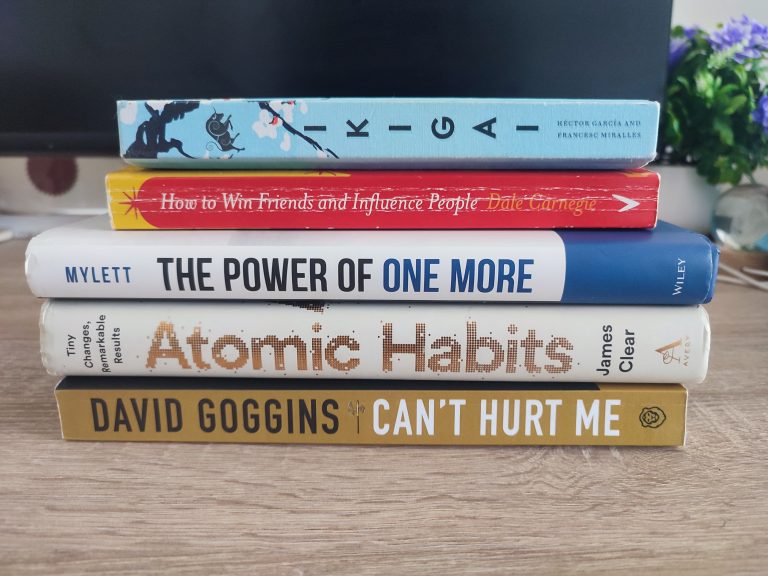
I try to habit stack (read Atomic Habits) and combine my sunlight exposure with walking outdoors. It saves time and serves a dual beneficial purpose, which is the key to making the best changes for a healthier body.
During weeks when it’s quite rainy, I supplement with Vitamin D3 and K2 (approximately 2000 to 3000 IU).
I want to prioritize safe sun exposure because I understand the implications involved, but I definitely don’t want to subject myself to living within the confines of four walls.
Supplements
I know that this topic is contentious, but supplements have indeed made a difference in my health and continue to do so now.
I’ve tested being on and off for different periods of time, and almost always, I feel worse without them.
Granted, this might appear to be anecdotal, but I can also draw correlations with my blood work and supplement usage.
Times when I’ve been off certain supplements have coincided with higher CRP (inflammatory) markers.
I’ve always dealt with acid reflux issues, and it has impeded my digestive system. As such, it’s not entirely reasonable to argue that I can just absorb all the vitamins and nutrients needed from just the food I consume.
This is a list of supplements I will take on this healing journey:
- Glucosamine sulphate.
- Methylsulfonylmethane (MSM).
- Curcumin with black pepper.
- Omega-3 fish oil capsules.
- Pre & probiotics.
- Vitamin D3 and K2.
- Folic acid.
- Magnesium glycinate
- L-glutamine powder
Stinging nettle, green tea, and burdock root are additional herbs/teas that are said to have a positive effect on inflammatory conditions like psoriatic and rheumatoid arthritis, so I plan to incorporate them as well, but with caution, barring green tea, since I love to have a few servings per day.
Spirituality
I’m a religious person and also spiritual. It aligns with the way I view life and the world, but more than anything, I like the idea that the meaning behind my tribulations is something greater than randomness.
I’m a better person with more strength and hope when I turn to God through highs and lows. Whether it be with my health journey or life as a whole, I like to pray.
People are going to say it’s impossible to heal from certain illnesses but even if they’re right, I just don’t care about what they think. I’m on this journey, and I want to believe that it has meaning and that with God’s help, I can get through it either by resilience or by healing.
Mindset
Naysayers and skeptics will be the first to say that there’s no point in all of these restrictions and rigid protocols. They believe what they believe. Others, who have been battling diseases, will be worn down by their journey and understandably so. They don’t want to live so extremely like this either.
I understand, and I’m not trying to change anyone’s mind.
But in saying that, these diseases have a way of rotting the mind. It can viciously destroy hope and optimism, especially when you’ve lived with it for as many years as we have.
As we all know, stress is a silent killer, especially with autoimmune diseases. I don’t want to stress myself about being perfect to heal, but I also don’t want to live like a victim to this condition.
I’m very much interested in trying to do what others deem as impossible, and that’s not because of pride or ego but because it’s either that or choose to be a medicated zombie who has signed away his sovereignty to a messed-up immune system.
That’s just not the type of person I want to be, and my mindset is geared towards resilience and exploration at this phase in my life.
I’m making a choice to be optimistic, disciplined, open-minded, and resilient. I’m not submitting to my illness, and we’re going to wrestle with each other until one of us gives up or until the end of my days.
I just have zero plans of submitting to it. I’ll submit to God but not to anything or anyone else.
It’s the last couple of days in 2025, and I’ll be sure to update this blog on my journey. I have a lot going on but I’ll let you know what happens in the months and years to come.
Take care of yourself, dear reader.